Rurouni Kenshin is more than a classic samurai anime—it is a historical narrative deeply rooted in one of Japan’s most transformative eras. Understanding the timeline of Rurouni Kenshin helps viewers fully appreciate Himura Kenshin’s journey, the moral conflicts of the characters, and the political backdrop shaping the story. Below is a clear, chronological explanation of the Rurouni Kenshin timeline, from the chaos of the Bakumatsu period to the fragile peace of the Meiji era.
The Bakumatsu Period (1853–1868): Age of Bloodshed
The story begins during the Bakumatsu period, the final years of the Tokugawa shogunate. Japan was divided between those loyal to the shogun and revolutionaries seeking to restore imperial rule. This era was marked by political assassinations, secret police, and constant violence.
Himura Kenshin first appears in this timeline as Hitokiri Battōsai, an elite assassin working for the imperialist faction. Kenshin’s role was to eliminate key enemies of the revolution, earning him a fearsome reputation. Although he fought for a just cause, the countless lives he took left deep psychological scars. This period defines Kenshin’s greatest sin and becomes the emotional core of the entire series.
The Meiji Restoration (1868): A New Japan Is Born
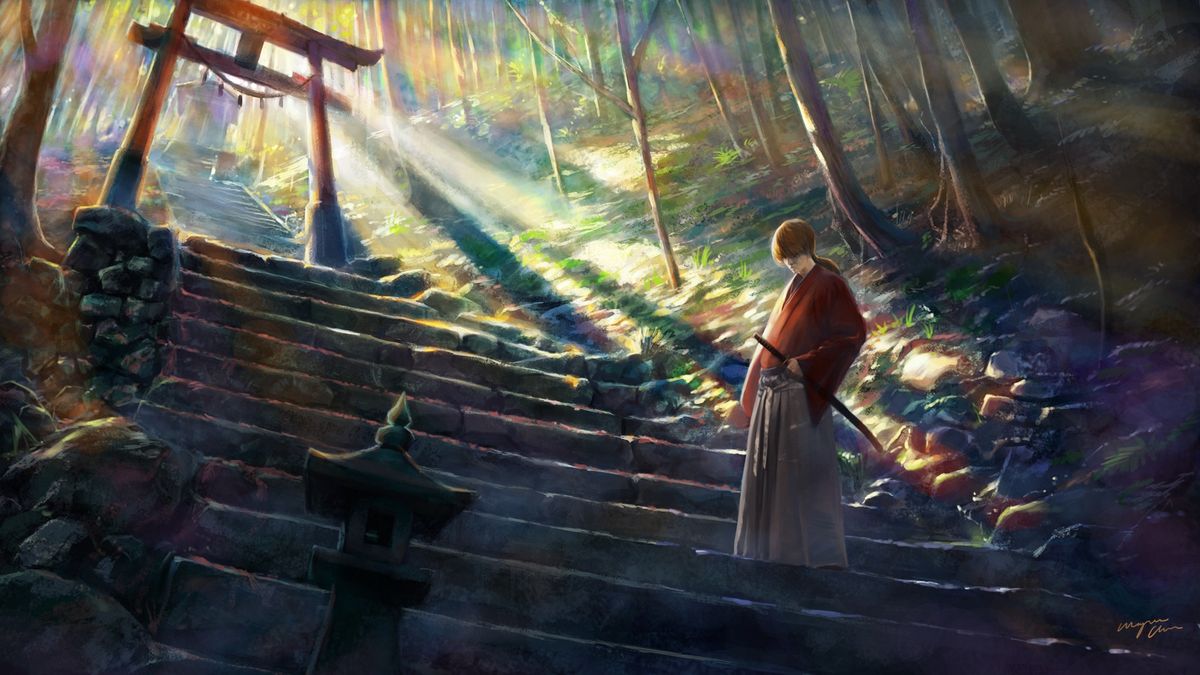
With the fall of the shogunate, the Meiji Restoration ushered in rapid modernization and Western influence. Samurai lost their social status, swords were banned, and former warriors struggled to adapt.
Kenshin disappears from the battlefield at this point, vowing never to kill again. He adopts a reverse-blade sword (sakabatō) and begins wandering Japan as a rurouni—an aimless traveler seeking redemption by protecting the innocent. This moral shift is crucial to understanding Kenshin’s character and philosophy.
Early Meiji Era (1878): Main Story Begins
Most of Rurouni Kenshin takes place in 1878, roughly ten years after the revolution. Kenshin arrives in Tokyo and meets Kamiya Kaoru, whose dojo becomes his emotional anchor. Here, the story explores how former revolutionaries and ex-samurai cope with peace.
Enemies during this arc often represent unresolved conflicts from the Bakumatsu era. Characters like Saitō Hajime, a former Shinsengumi member, embody the lingering ideological divide between old enemies now living in the same society.
Kyoto Arc: The Past Returns
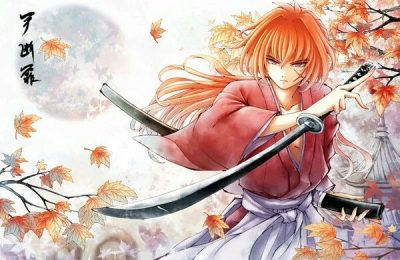
The timeline intensifies during the Kyoto Arc, where Kenshin faces Makoto Shishio, another former assassin of the revolution. Unlike Kenshin, Shishio believes violence is the only path forward in the new era.
This arc is a direct confrontation between two philosophies born from the same historical moment. It represents Japan’s struggle to decide whether peace can truly exist without strength and fear.
Jinchu Arc: Final Reckoning
The final major arc, Jinchu, brings Kenshin’s past fully into the open. Enishi Yukishiro seeks revenge for the deaths caused by Battōsai, forcing Kenshin to confront the personal cost of his actions.
Chronologically, this arc marks the end of Kenshin’s long path toward atonement, symbolizing the possibility of forgiveness and emotional healing in post-war Japan.
Why the Timeline Matters
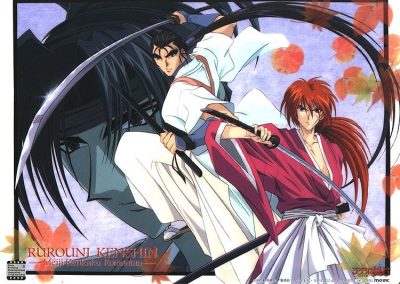
Understanding the Rurouni Kenshin timeline reveals why the series resonates across generations. It is not just a story about sword fights, but about guilt, change, and rebuilding identity after conflict—themes deeply tied to Japan’s real history.
👉 If you’re a true Rurouni Kenshin fan and want to celebrate the legacy of these legendary battles, explore officially inspired apparel, collectibles, and fan-favorite designs at: rurounikenshin.shop. Discover items that let you carry the spirit of Kenshin’s sword and ideals into your everyday life.
